


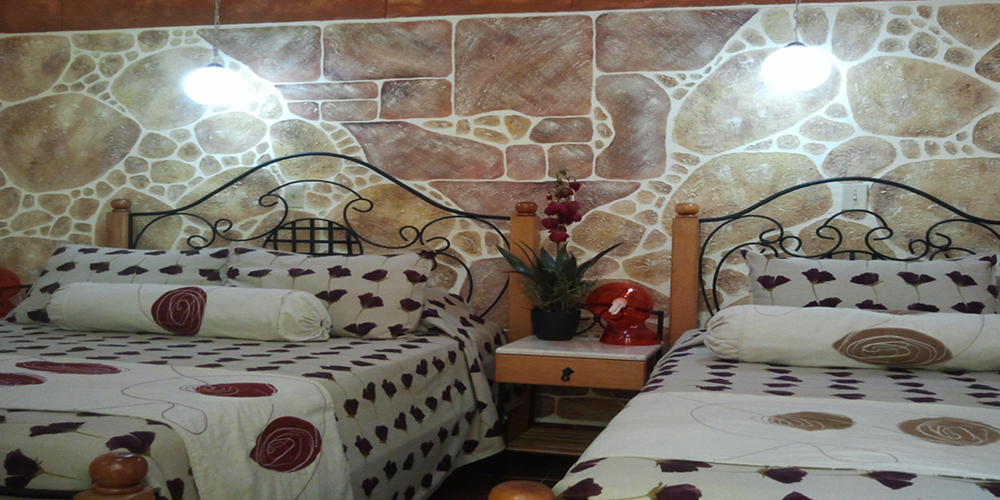
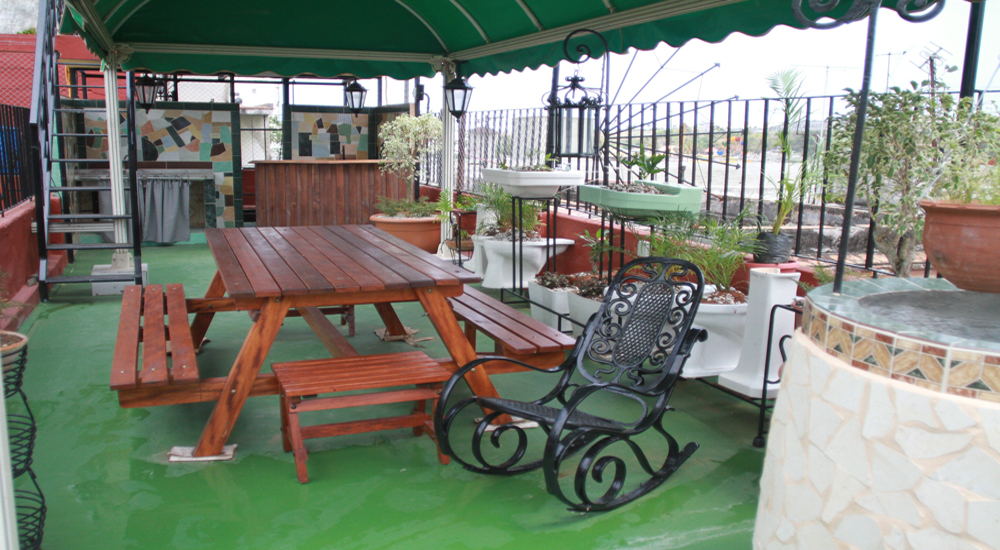


Building upon the foundational idea that visual elements like colors and shapes influence our happiness, it is essential to understand the scientific principles that underpin these effects. From the way our brain perceives colors and forms to how these perceptions impact our physiological and emotional states, science offers invaluable insights into designing environments that actively promote well-being. To explore this, we will delve into the psychological and neuroscientific mechanisms that explain how specific visual stimuli can foster mood enhancement in various spaces.
Contents
- The Psychological Foundations of Color and Shape in Space
- Neuroscientific Insights into Color and Shape Effects
- The Impact of Color and Shape on Physiological Responses
- Designing Mood-Boosting Spaces: Scientific Principles and Practical Applications
- Beyond Aesthetics: The Role of Light, Texture, and Material Interactions
- Cultural and Individual Variations in Perception of Color and Shape
- Future Directions: Emerging Research and Technologies in Mood-Enhancing Space Design
- Connecting Back: How Scientific Understanding Enhances Our Approach to Happiness
The Psychological Foundations of Color and Shape in Space
Our perception of colors and shapes begins in the brain’s visual cortex, where light signals are processed to form mental impressions. Colors are not just visual stimuli; they carry subconscious associations shaped by cultural and personal experiences. For example, blue often evokes calmness, while red may trigger excitement or alertness. Similarly, shapes influence emotional responses: rounded forms tend to evoke comfort and safety, whereas sharp, angular shapes can induce alertness or tension.
Subconscious associations are deeply ingrained, influencing our mood without conscious awareness. Cultural contexts further modify these responses—what is calming in one culture may be stimulating in another. Differentiating between immediate emotional reactions and sustained mood effects is crucial for intentional design. Immediate responses might include feelings of tranquility or agitation, while long-term mood impacts involve overall perceptions of space and comfort, shaped over repeated exposures.
Neuroscientific Insights into Color and Shape Effects
Advanced neuroimaging studies reveal that different colors activate specific brain regions. For instance, the amygdala, involved in emotional processing, responds strongly to warm colors like red and orange, often associated with arousal and passion. Conversely, cool colors such as blue and green tend to activate areas linked to calmness and relaxation, including the prefrontal cortex and occipital lobes.
Geometric shapes also engage distinct neural pathways. Curved forms activate areas associated with positive emotional processing, possibly due to their resemblance to biological forms like leaves or human features. Angular shapes can stimulate alertness but may also induce stress if overused. These responses are mediated by brain regions such as the insula and anterior cingulate cortex, which process feelings of discomfort or pleasure.
Neurochemical responses further underpin these effects. Visual stimuli with calming colors and shapes can increase levels of serotonin and dopamine, neurotransmitters linked to happiness and well-being, while stressful stimuli may elevate cortisol, a stress hormone. Understanding these mechanisms allows designers to craft environments that naturally enhance mood.
The Impact of Color and Shape on Physiological Responses
Research demonstrates that visual stimuli influence key physiological markers. For example, exposure to soothing blue hues and rounded shapes correlates with decreased heart rate and blood pressure, signaling relaxation. Conversely, bright reds and sharp geometries can increase heart rate and cortisol levels, indicating heightened arousal or stress.
This physical reaction aligns with the concept of embodied cognition—the idea that our bodily responses are directly influenced by visual stimuli. For instance, a space filled with soft, flowing forms and calming colors can physically promote relaxation, reducing stress hormones and fostering a sense of well-being. Experimental studies confirm that environments designed with these principles can significantly lower cortisol levels, demonstrating their effectiveness in mood regulation.
“Designing spaces that align with our neurophysiological responses can actively reduce stress and promote happiness, bridging science and aesthetics.”
Designing Mood-Boosting Spaces: Scientific Principles and Practical Applications
Effective space design integrates color theory with neuroscientific insights. For example, combining cool, calming colors like blue with rounded, organic shapes enhances relaxation. Conversely, vibrant reds and angular forms can evoke energy but should be used sparingly to avoid overstimulation. An evidence-based approach involves selecting color palettes and form geometries that target desired emotional outcomes.
Case studies illustrate successful applications: a wellness center might utilize gentle curves and pastel colors to foster tranquility, while an innovative workspace may incorporate stimulating reds and geometric accents to boost alertness and creativity. These examples demonstrate how scientific understanding informs practical design decisions, optimizing environments for mood enhancement.
Beyond Aesthetics: The Role of Light, Texture, and Material Interactions
Lighting plays a crucial role in modulating the psychological impact of visual design. Natural light enhances the perception of colors and shapes, amplifying their mood effects. Warm, diffused lighting can reinforce calming environments, while bright, direct light may energize a space.
Textures and materials complement visual elements by engaging tactile senses. Soft fabrics, smooth surfaces, and natural materials like wood or stone can deepen feelings of comfort and safety. Multisensory integration—aligning visual cues with tactile feedback—creates harmonious environments that promote sustained mood benefits.
Cultural and Individual Variations in Perception of Color and Shape
Perception is not universal. Cultural backgrounds influence emotional associations—white may symbolize purity in some cultures but mourning in others. Personal preferences and neurodiversity also shape responses to design elements, necessitating personalized approaches for mood-boosting environments.
Inclusive design considers these variations, ensuring spaces are adaptable and sensitive to diverse emotional responses. For example, offering customizable lighting or color schemes can accommodate individual needs, maximizing the psychological benefits of spatial design.
Future Directions: Emerging Research and Technologies in Mood-Enhancing Space Design
Innovations such as virtual reality (VR) and augmented reality (AR) enable designers and researchers to simulate and test emotional responses to different environments before physical implementation. These tools provide real-time feedback, refining design choices for maximum mood enhancement.
Artificial intelligence (AI) is opening new avenues for personalized space customization. By analyzing neurofeedback and physiological data, AI systems can dynamically adjust lighting, colors, and shapes, creating adaptive environments that respond to occupants’ emotional and physical states.
The potential of these technologies lies in the creation of smart, responsive environments that foster happiness and well-being through scientific insights—an evolution from static design to dynamic, personalized spaces.
Connecting Back: How Scientific Understanding Enhances Our Approach to Happiness
In summary, integrating scientific principles into spatial design transforms abstract aesthetic choices into targeted tools for mood enhancement. By understanding how colors and shapes influence brain activity, neurochemistry, and physiological responses, designers can craft environments that actively promote happiness. This approach builds upon the foundational idea that visual elements like sugar shapes and vibrant colors shape mood, extending it into scientifically optimized spaces that support well-being in everyday life.
As the parent article How Colors and Sugar Shapes Influence Happiness illustrates, simple visual cues can profoundly impact mood. Moving from that understanding, applying rigorous scientific insights allows us to design environments that not only please the eye but also foster genuine happiness—making science an essential ally in creating spaces that nurture our mental and physical health.

Leave a reply