






Exploring cultural views on gambling around the world
Historical Perspectives on Gambling
Gambling has a long and varied history, deeply intertwined with cultural practices across the globe. In ancient civilizations such as China and Mesopotamia, games of chance served not only as entertainment but also as methods of divination. These early forms of gambling laid the groundwork for modern practices, which have evolved but often retain cultural significance. As individuals seek enhanced privacy, anonymous casinos have gained popularity, allowing players to engage in their favorite games while preserving their anonymity. As societies progressed, gambling transitioned from sacred rituals to leisure activities, reflecting the changing values and norms of different cultures.
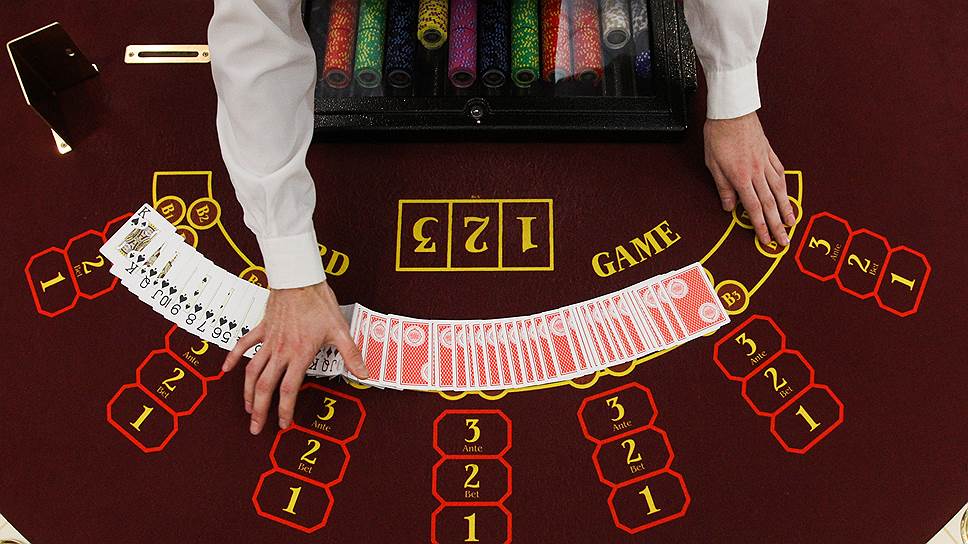
In Europe, the introduction of card games in the Middle Ages transformed gambling into a popular pastime among the aristocracy. The rise of casinos in the 17th century marked a shift toward organized gambling, further influencing societal attitudes. However, gambling has always been met with ambivalence, often seen as a vice that could lead to moral decay. This duality continues to shape contemporary views on gambling, highlighting the complexity of its cultural implications.
Regional Differences in Gambling Attitudes
Across the globe, attitudes toward gambling vary significantly, influenced by local customs, laws, and religious beliefs. In the United States, for example, gambling is largely accepted and regulated, with many states legalizing various forms of gaming. This acceptance is juxtaposed with ongoing debates about its societal impacts, particularly concerning addiction and economic implications. The presence of Native American casinos has also introduced a unique dynamic, allowing for tribal sovereignty in gaming. Understanding odds and probabilities is crucial for players in these environments to navigate the risks and rewards effectively.
Conversely, many Asian countries approach gambling with stricter regulations. In places like Singapore and Malaysia, while some forms of gambling are permitted, they are often accompanied by stringent rules aimed at controlling its accessibility. Cultural beliefs surrounding luck and fate further complicate the perception of gambling in these regions, where it may be seen as both a source of entertainment and a potential pathway to misfortune.
The Impact of Technology on Gambling Culture
The advent of technology has dramatically transformed the landscape of gambling, leading to the rise of online gaming platforms. This shift has not only increased accessibility but has also blurred cultural lines, allowing individuals from different backgrounds to engage in gambling from the comfort of their homes. The global nature of the internet means that players can now access a wide variety of games, often incorporating elements of their own cultural preferences.
However, the digital age has also introduced challenges, including concerns about addiction and regulation. As online gambling continues to grow, discussions about responsible gaming practices become increasingly relevant. Different countries are grappling with how to implement regulations that not only protect consumers but also reflect their cultural attitudes towards gambling.
Gambling as a Social Activity
In many cultures, gambling transcends mere chance and transforms into a social activity that fosters community bonds. In countries like Italy and Spain, social gambling is often an integral part of family gatherings and celebrations. Games such as poker and bingo are played not just for monetary gain but also for social interaction, storytelling, and maintaining traditions.
This communal aspect of gambling reinforces its role in cultural identity, where shared experiences can strengthen relationships. Conversely, in cultures where gambling is stigmatized, those who engage in it may face social ostracism. Understanding these dynamics helps illuminate the broader societal implications of gambling and its cultural resonance.

Understanding the Role of Our Website
Our website aims to provide a comprehensive exploration of gambling’s cultural views around the world. By offering insights into various perspectives, we hope to foster a deeper understanding of how different societies perceive and engage with gambling. Our resources are designed for individuals seeking to navigate this complex landscape, whether they are casual gamers or those interested in the sociocultural aspects of gambling.
Through curated content, we strive to highlight both the positive and negative facets of gambling, encouraging informed discussions. As the industry continues to evolve, our website will adapt to offer up-to-date information, ensuring that visitors can make informed choices within the realm of gambling.

Leave a reply